Two months ago I took a trip up to the demilitarized zone (DMZ), a 250 kilometer (160 miles) long, and about 4 kilometer (2.5 miles) wide stretch of land which separates North from South Korea. The DMZ was created by agreement between North Korea, China and the United Nations in 1953 following the Korean War. In actuality, the war isn’t over; it is currently sitting in a cease-fire status. There are few places I have visited which scared me. This one tops the list.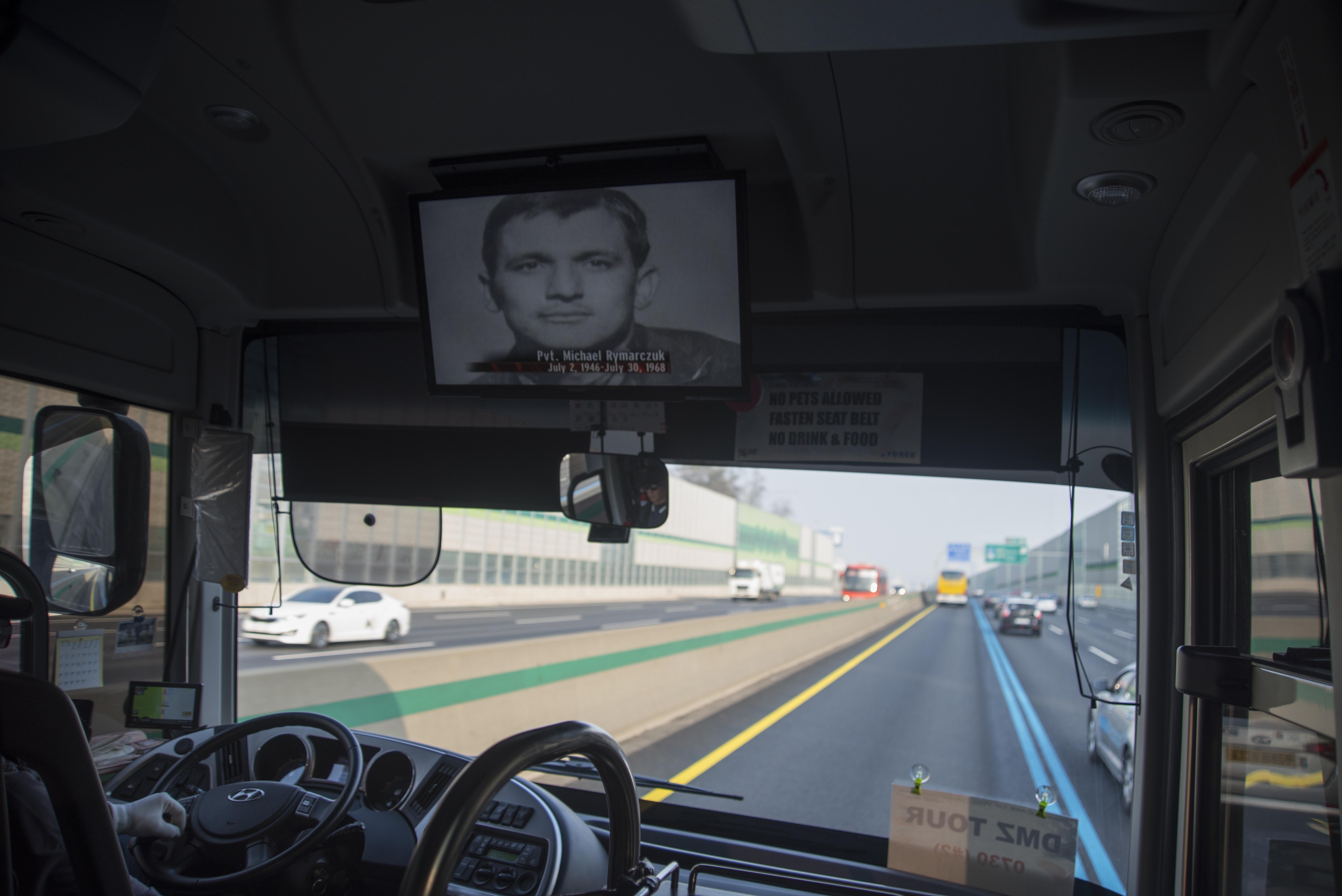
The tour begins on the bus ride up. Passengers watch a video which details the history of the DMZ. The Korean War is a part of this history, and the movie touches on that, but mostly it outlines how the line was drawn and what has happened there since. The movie was very enlightening and as I watched I wondered why in the world I was going to visit such a dangerous place, history buff or not. Continue reading “Demilitarized Zone, Korea”

 So here’s the scoop. King Yeongjo (grandfather to King Jeongjo), wise enough to see the end of his reign approaching, turned over the daily administration of government to his favorite son, Sado-Seja. Although probably a good idea, the king’s court was split by factionalism.
 The History of Humanity