The Cold War In My Backyard

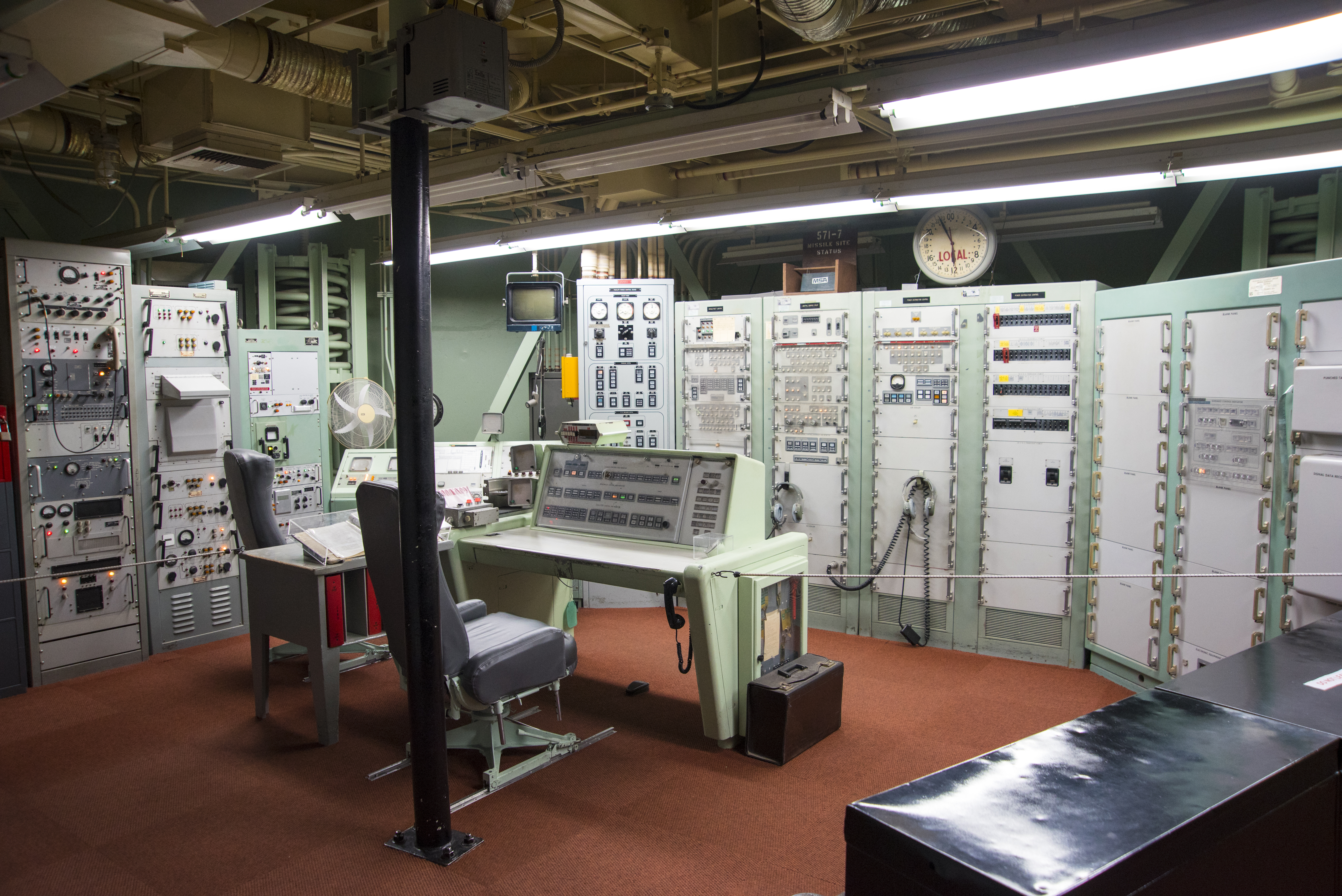
The control room

]It wasn’t until I returned to Tucson as an adult did I realize that my hometown was one of three locations in America where nuclear missiles would have been launched from during the Cold War, aimed towards the former Soviet Union (had our President given the order to “push the red button”). Over winter break I went to the Titan Missile Museum where visitors are giving a fantastic tour of one of the silos (the only one not destroyed after the Cold War ended) and the control room.

According to their website, the Titan II was capable of launching from its underground silo in 58 seconds and could deliver a nine megaton thermonuclear warhead to its target more than 6300 miles (10,000 km) away in less than thirty minutes. For more than two decades, 54 Titan II missile complexes across the United States stood “on alert” 24 hours a day, seven days a week, heightening the threat of nuclear war or preventing Armageddon, depending upon your point of view.

Did you realize that during the Cold War America tested a total of 1032 nuclear weapons? The Soviet Union tested 715 and a number of other countries tested their own. To see a time-lapse of who tested nuclear weapons and where, please watch this video. You will be amazed!

If you are at all interested in the Cold War and are driving through Tucson, AZ, I highly recommend taking a tour at the Titan Missile Museum. You will not be disappointed!

The story behind John F. Kennedy’s Purple Heart

Ironically, Kennedy was not allowed to serve in the military on his first attempt. He was disqualified from entering the Army’s Officer Candidate School in 1940 because of a severe back injury. Historian and Kennedy biographer, Robert Dallek suggests his vertebrae started degenerating while treating his intestinal problems with steroids in the late 1930’s, according to the New York Times.

Thanks to his father’s political influence as the U.S. Ambassador to Great Britain and the help of his friend, Captain Alan Kirk, the Director of Naval Intelligence, Kennedy got his foot in the door despite his back problems. He was commissioned as an ensign on October 26, 1941, and assigned to the Office of Naval Intelligence in Washington D.C.

Not satisfied with simply serving, Kennedy made his way to the Naval Reserve Officers Training School at Northwestern University in Chicago, Il. After completing his training on September 27, 1942, he entered the Motor Torpedo Boat Squadron Training Center in Melville, Rhode Island and promoted to lieutenant (junior grade) on October 10, 1942. On December 2, he received orders to his first command aboard PT-101 with Motor Torpedo Boat Squadron Four in Panama.

His stint in Panama was short lived, in February 1943, he was transferred to the Island of Tulagi in the Solomons as a replacement officer to Motor Torpedo Boat Squadron Two. By April 1943 he was the commanding officer of PT-109, the boat that distinguished his Naval career and arguably his path to the White House.

After the sinking of PT-109 by a Japanese destroyer, he gathered the remaining survivors of his crew to vote on whether to fight or surrender. It was there that he famously said, “there’s nothing in the book about a situation like this. A lot of you men have families, and some of you have children. What do you want to do? I have nothing to lose.”

This American Heroes Channel video profiles John F. Kennedy’s actions that earned him the Purple Heart along with the Navy and Marine Corps Medal.

Source: http://www.wearethemighty.com/articles/here-is-the-story-behind-john-f-kennedys-purple-heart

30 Facts About the Titanic

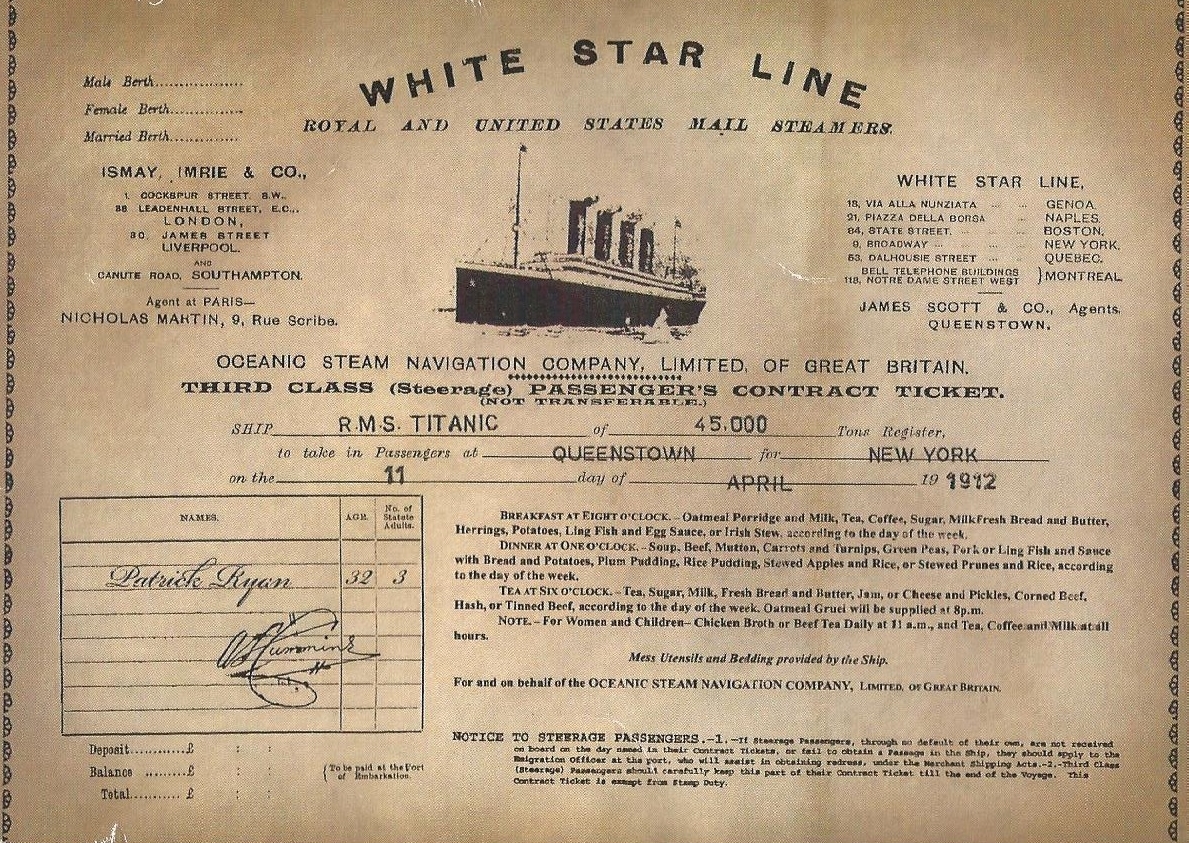
Did you know that if the Titanic were to launch today it would cost $83,200 to ride first class in a parlor suite? Back in 1912, a suite cost a $4,350 and a first class berth ticket cost $150 or nearly $3,000 in today’s world. The second class ticket only cost $60 and the lowest ticket price was $30 for third class.

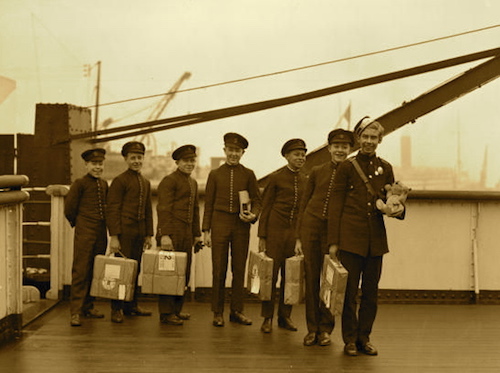
Or, did you know that the Titanic didn’t carry many children on its journey? It did however, employ a number of bellboys that carried the passengers’ luggage aboard. These bellboys were as young as 14 years old. All of the bellboys tragically lost their lives when the ship went down into the deep ocean.

For more fascinating facts, visit this website.